

Inside the News
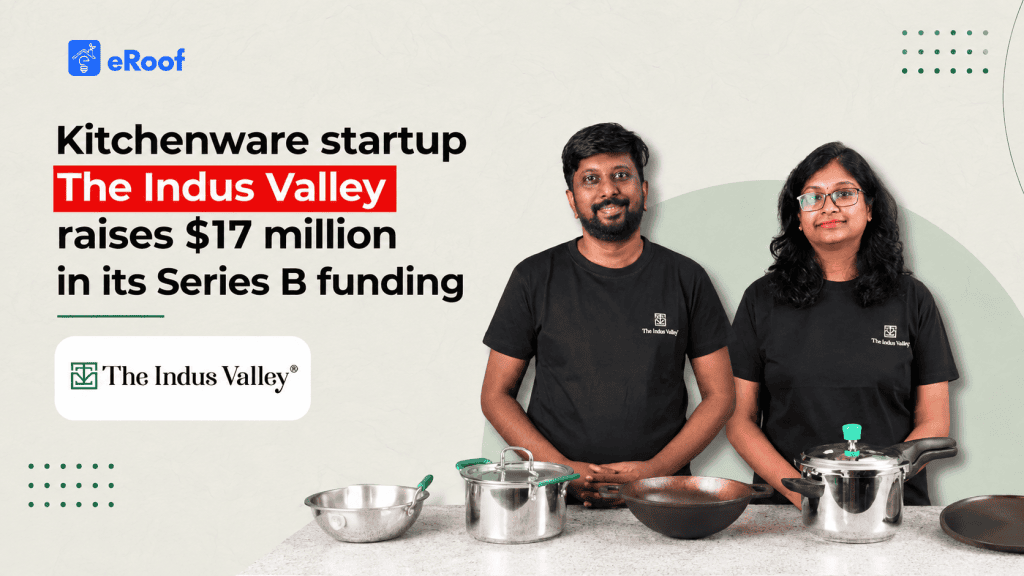
🔹 Chennai-based kitchenware startup The Indus Valley has raised $17 million in a Series B funding round led by Gaja Capital.
🔹 Existing investors DSG Consumer Partners, Rukam Capital, and The Chennai Angels also participated in the funding round.
🔹 The fresh capital will be used to accelerate product innovation, strengthen omnichannel distribution, expand retail presence, and increase brand awareness.
🔹 The company aims to make toxin-free cookware more accessible while targeting ₹1,000 crore in annual revenue by 2030.
The Indus Valley Raises $17 Million in Series B Funding
The Indus Valley, one of India’s fastest-growing healthy kitchenware brands, has secured $17 million in Series B funding. Private equity firm Gaja Capital led the investment round.
Additionally, existing investors DSG Consumer Partners, Rukam Capital, and The Chennai Angels participated in the funding round. Their continued support reflects strong confidence in the company’s long-term growth strategy.
Founded in 2016 by Jagadeesh Kumar and Madhumitha Uday Kumar, the brand manufactures toxin-free cookware using cast iron, stainless steel, iron, and triply steel. As a result, it has become a popular choice for consumers looking for healthier cooking solutions.
How Will the New Funding Be Used?
The Indus Valley will invest the newly raised capital in developing new products and strengthening its omnichannel distribution network.
Furthermore, the company plans to expand its offline retail presence across India. It also intends to increase brand visibility and launch more healthy kitchen products.
According to the company, these investments will improve customer reach, strengthen retail partnerships, and support long-term business growth.
Growth Strategy and Business Expansion
Co-founder and CEO Jagadeesh Kumar said the company wants to build more than just a cookware brand. Instead, it aims to make safe, durable, and chemical-free cookware available to millions of Indian households.
Currently, The Indus Valley reports an annual revenue run rate of nearly ₹200 crore. Moreover, it has set a target of achieving ₹1,000 crore in annual revenue by 2030.
The brand has expanded through its direct-to-consumer (D2C) platform, major e-commerce marketplaces, quick-commerce platforms, and a growing offline retail network.
Future Outlook for The Indus Valley
Investor interest in health-focused consumer brands continues to increase as Indian households prefer safer and more sustainable kitchen products.
Meanwhile, The Indus Valley expects this funding to strengthen its leadership in India’s premium cookware market. The company also plans to expand its presence across online and offline channels.
Furthermore, the investment highlights the rapid growth of India’s direct-to-consumer (D2C) ecosystem. It also reflects rising consumer demand for healthier home and kitchen products.
Overall, the latest funding positions The Indus Valley for faster expansion, stronger brand recognition, and long-term growth in the premium kitchenware market.
Understanding the Terms
Series B Funding: A funding round that helps startups scale operations, expand markets, and accelerate growth after establishing product-market fit.
Gaja Capital: An Indian private equity investment firm focused on backing high-growth businesses across multiple sectors.
Omnichannel Distribution: A business strategy that integrates online platforms, offline stores, marketplaces, and retail partners to deliver a seamless customer experience.
D2C (Direct-to-Consumer): A business model where brands sell products directly to customers without relying solely on traditional distributors or retailers.
Toxin-Free Cookware: Kitchen utensils made without harmful chemical coatings, using materials like cast iron, stainless steel, or clay for healthier cooking.